From factory to homes
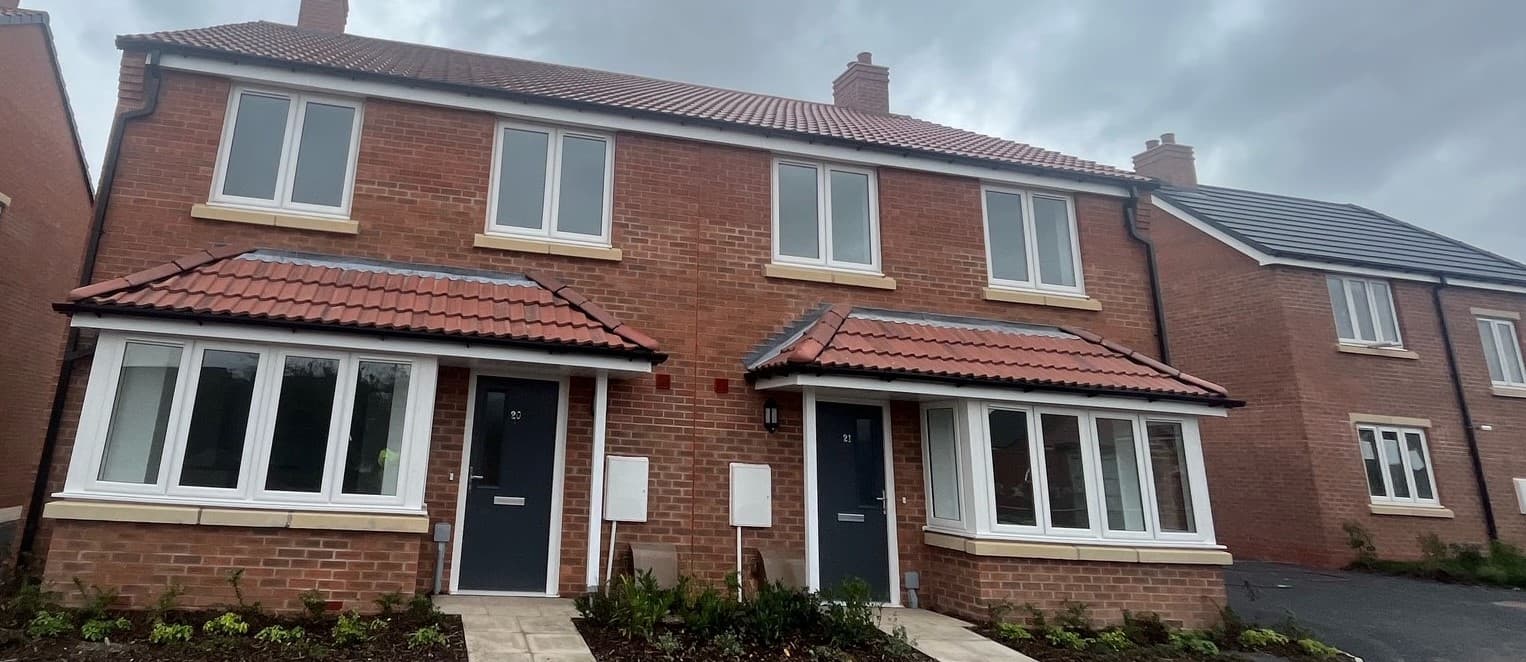
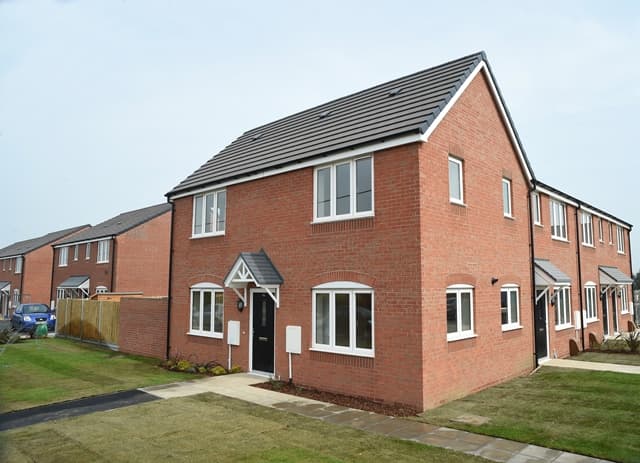
Station Road in Bagworth, near Coalville in Leicestershire, was once home to a Dunlop factory. Following the demolition of the derelict factory units, the brownfield site was transformed into sixty-one new homes for social rent. BREE Construction, then trading as Partner Construction, delivered the scheme for Midland Heart, and it marked the first joint development handed over by the two organisations working together.
The redevelopment turned a long-disused industrial site into a residential neighbourhood, replacing redundant factory buildings with affordable housing. The project gained planning approval under application 17/00634/FUL and was supported by grant funding through Homes England, reflecting its role in meeting local housing need.
An affordable scheme for Midland Heart
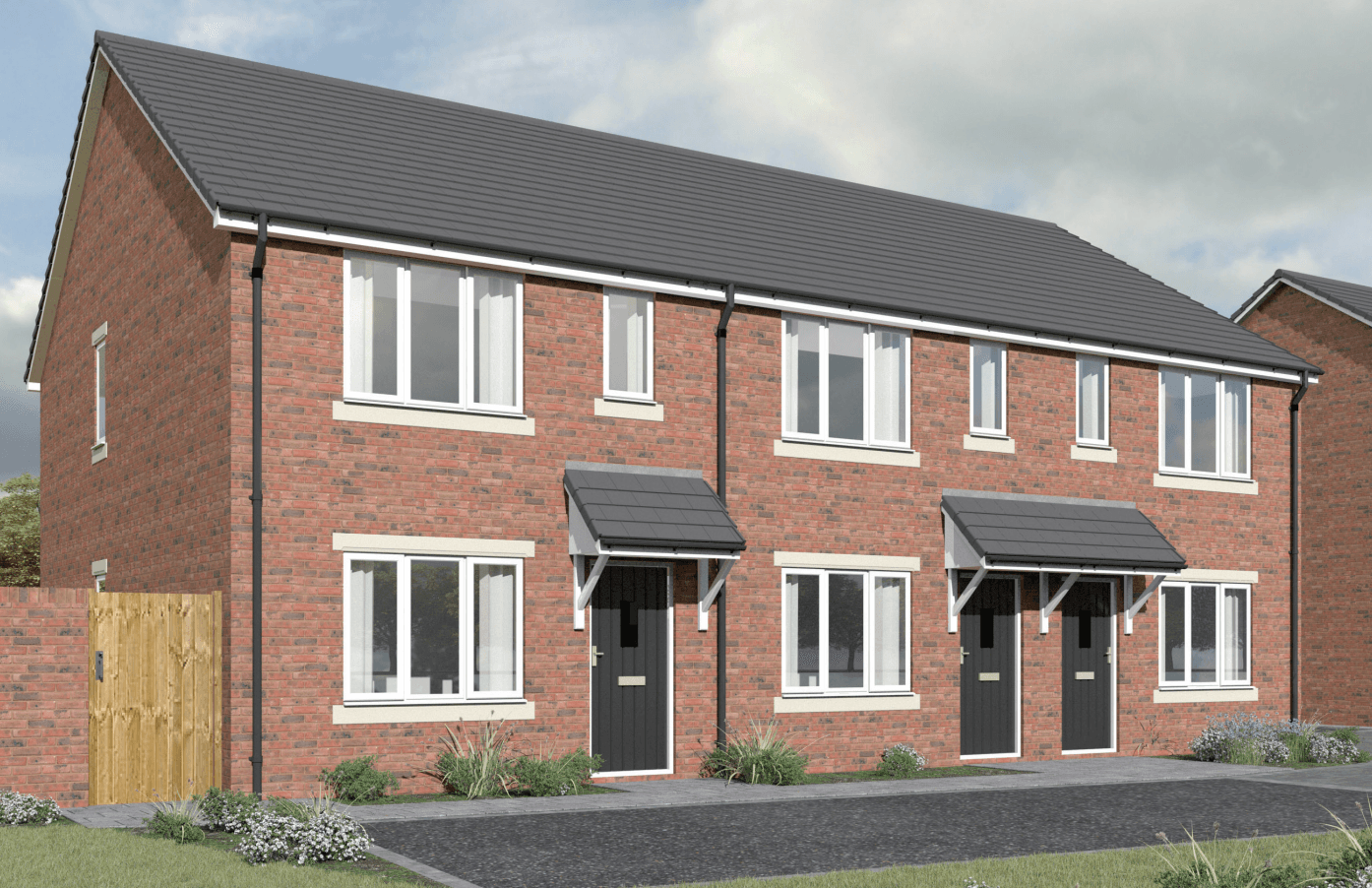
All sixty-one homes were provided as affordable housing for social rent, giving local people access to quality homes at a time of strong demand in the Hinckley and Bosworth area. The development was delivered across two phases, allowing the brownfield land to be brought back into use in a structured way and the new streets to be established progressively.
Midland Heart, as a major Midlands housing association, took the homes into its rented portfolio on completion. The handover of the first homes was a notable moment for the scheme.
As the first scheme delivered jointly by Midland Heart and Partner Construction, Station Road set the pattern for further collaboration, with both organisations going on to work together on additional affordable developments across the Midlands in the years that followed.
Brownfield delivery
Building on a former factory site required careful management of the existing conditions, from clearing the redundant Dunlop units to preparing the ground for new homes. Partner Construction handled the demolition and construction works that turned the cleared site into a settled residential street.
Completed between 2017 and 2019, the Station Road scheme shows brownfield regeneration delivering practical social value, replacing an eyesore with sixty-one homes for households who needed them.
The Bagworth site had stood as a derelict industrial location before the redevelopment, recorded in its pre-demolition state as a redundant factory. Bringing it back into use removed a long-standing eyesore from the village and replaced it with sixty-one settled homes, supported by sales material and lettings that helped establish the new community.