BREE Construction
Building Safety Act 2022

Delivering under the new regime.

Overview

The post-Grenfell regulatory regime for higher-risk buildings. BREE delivers Gateway compliance, supply-chain competence and the golden-thread information record the regulator expects, end-to-end, in partnership with the client, the design team and the wider consultants.

Live HRB projects
4
Direct employees
70
Repeat business
75%
BSR Gateway approvals
3
The regime

What changed, and why it matters.

The Building Safety Act 2022 received Royal Assent in April 2022, with the operational regime brought in through secondary legislation across 2023 and 2024. The Building Safety Regulator, established in 2021 within the HSE and since 27 January 2026 a standalone non-departmental public body sponsored by the Ministry of Housing, Communities and Local Government, is now the Building Control Authority for every higher-risk building in England, replacing the local-authority and approved-inspector regime that came before.

A higher-risk building is, in law, a building that is at least eighteen metres tall or has at least seven storeys (either threshold qualifies on its own), and contains at least two residential units. The threshold catches a much wider portfolio than the post-Grenfell “tall buildings” shorthand implies; a seven-storey multi-family block at sixteen metres is in scope.

Construction cannot start on an HRB without BSR approval at Gateway 2, and residents cannot move in without BSR sign-off at Gateway 3. Both are statutory hard stops. Failure at either stage stops the programme dead. There is no workaround and no precedent for one.

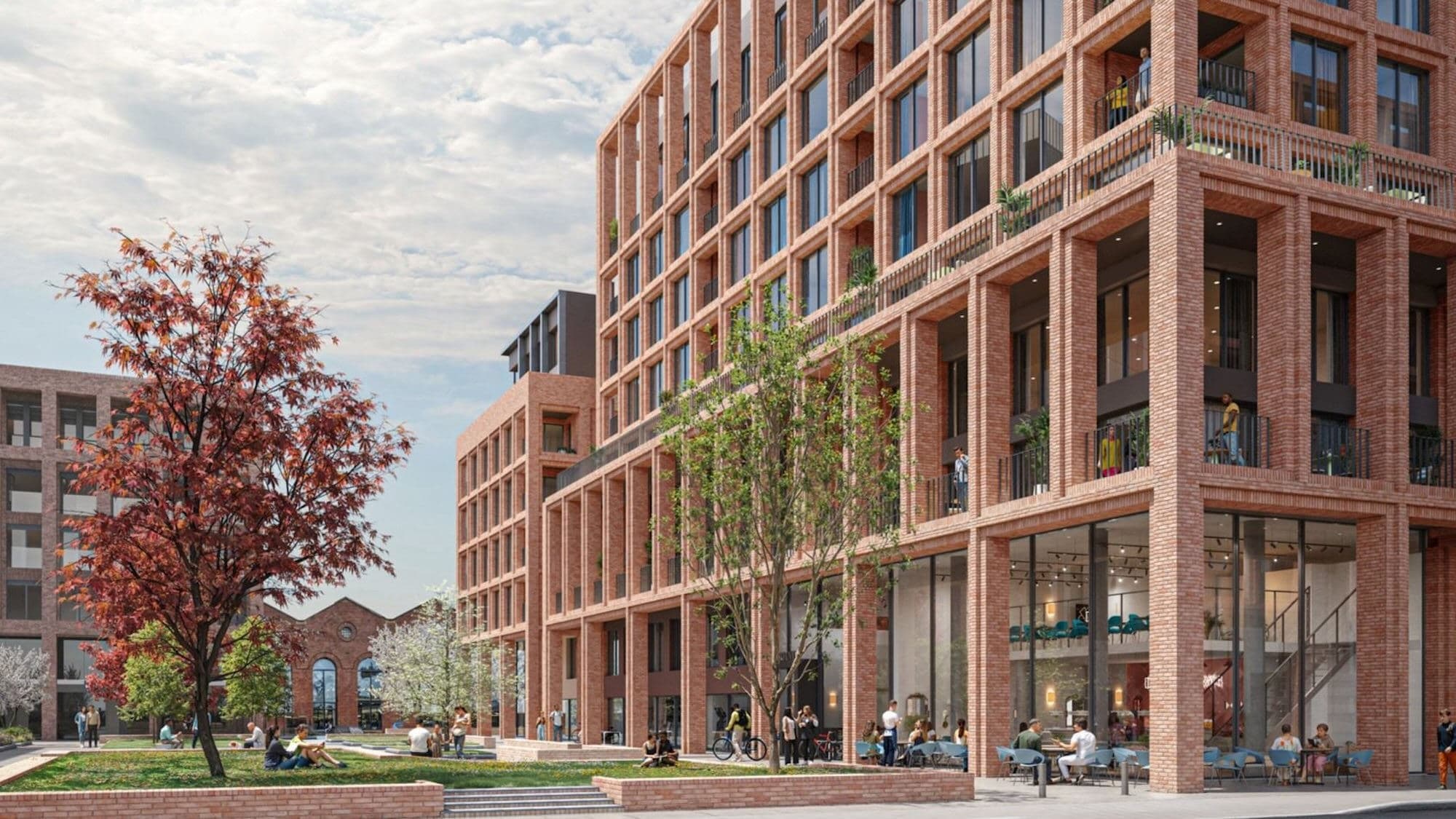
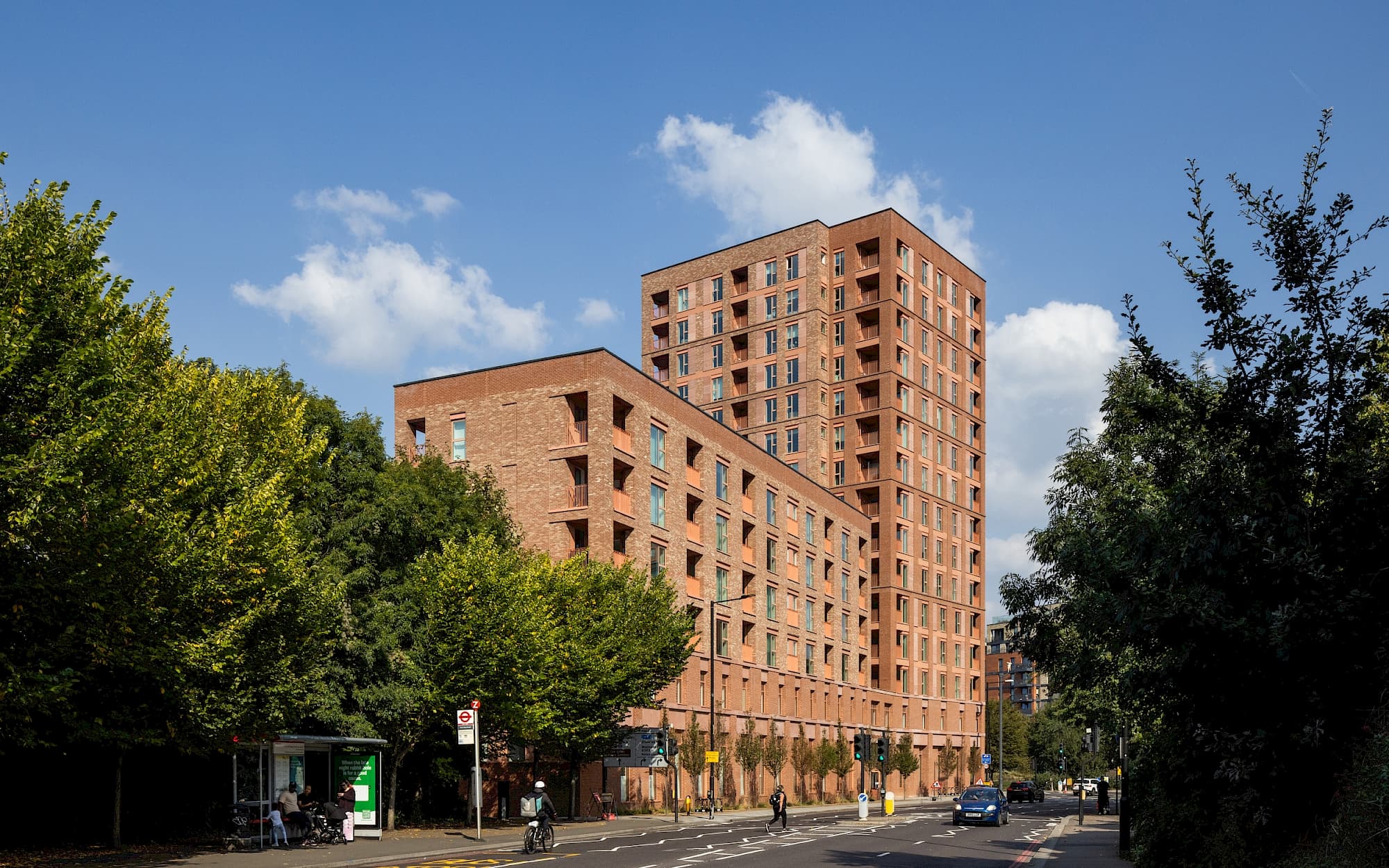
1NQ, Tariff Street, Manchester Northern Quarter: render of the completed 9-storey red-brick mid-rise BTR block at dusk with windows lit up and neighbouring towers behind, Marco Living / Axis RE / CDL scheme currently on site under the new regulatory regime
1NQ, Tariff Street, ManchesterHRB on site
The three gateways

Three statutory checkpoints, two hard stops.

Gateway 1
Planning.

A Fire Statement is submitted with the planning application, setting out how the scheme has considered fire safety in its site layout, escape strategy and means of access for the fire service. Light-touch by Gateway-2 standards, but the foundation for everything that follows.

Gateway 2: hard stop
Pre-construction.

No work begins until the BSR has approved the application: design intent, competence declarations, construction control plan, change control procedure and mandatory occurrence reporting plan. Twelve-week statutory determination period; in practice 2026 applications are running between twelve and twenty-plus weeks depending on complexity and routing, with staged applications now accepted to help compress determination.

Gateway 3: hard stop
Pre-occupation.

Before any resident moves in, the BSR must be satisfied that the as-built building complies with the regulations. The golden-thread information record is transferred to the Principal Accountable Person. Without the Gateway 3 certificate, the building cannot be occupied.

4
Live HRB projects
70
Direct employees
75%
Repeat business
3
BSR Gateway approvals
How we deliver

Built into the process.

Five disciplines BREE runs alongside the client, the design team and the wider consultants, carried through from Gateway 2 application to occupation.

01

Gateway compliance

BSR approval at Gateway 2 is the hard stop before any construction can begin on a higher-risk building, with a statutory twelve-week determination period that, in practice across 2026 applications, is running between twelve and twenty-plus weeks depending on complexity and routing. BREE manages the application package end-to-end with the design team: competence declarations, construction control plan, change control procedure, mandatory occurrence reporting plan and the full design intent. The team owns the BSR engagement through to validation. Gateway 3, at the end of construction, is the second hard stop: as-built compliance, the completion certificate application and the golden-thread handover to the Principal Accountable Person before any resident can move in.

02

Quality assurance and inspections

Quality on an HRB is engineered upstream of the programme, not inspected in at handover. BREE writes Inspection and Test Plans aligned to the safety-critical elements of the building, with witness and hold-points built into the construction programme rather than retrofitted at the end, and a defects register tied directly to the QA evidence pack the BSR will want to see at Gateway 3. Pre-construction mock-ups for the facade, the fire-stopping and the compartmentation junctions are signed off by the design team before serial production starts on site. The discipline that protects the programme from the kind of late-stage rework that has derailed schemes under the new regime.

03

Change control management

Under the new regime, any material change during construction must be notified to the BSR, and depending on its impact on the approved design, may require formal re-approval before work can continue. BREE runs a documented change control process from day one of construction: every proposed change goes through a designer-led assessment of whether it crosses the BSR notification threshold, with a clear audit trail of the decision and the BSR engagement that followed. Late or undocumented change is the most common reason HRB programmes slip; structured change control is the cheapest insurance available against it.

04

Competence across the supply chain

The Act's dutyholder regime imposes competence requirements on the Principal Contractor and every contractor working below them, both organisational and individual. BREE's pre-qualification of subcontractors carries through to the appointment file: documented training records, NVQ and CSCS evidence, competence statements aligned to the work being asked of them, and a written record of the steps BREE took to satisfy itself that each appointee was competent. The cascade keeps working when a sub-subcontractor is brought on: competence evidence has to follow the work, not the contract.

05

Golden thread information management

The golden thread is the digital record of building information that the regime requires to be continuous, accurate and accessible from design through handover and into occupation: design, construction, change, materials, test results, as-built drawings. BREE captures the construction-phase golden thread in a structured common data environment, indexed to the building's elements and the Gateway 3 evidence framework, and hands it to the Principal Accountable Person as a single integrated record rather than a folder of disconnected documents. It is the artefact the regulator will ask to see if anything ever goes wrong.

Currently on site

Four live higher-risk-building projects.

1NQ, Tariff Street, Manchester Northern Quarter: render of the completed 9-storey red-brick mid-rise BTR block at dusk with windows lit up, neighbouring towers behind, Marco Living / Axis RE / CDL scheme
North West
Manchester · Marco Living + Axis RE / CDL

1NQ, Tariff Street

261Homes£75mContract value

Nine-storey BTR mid-rise in Manchester's Northern Quarter. HRB by storey count and dwelling threshold; the dutyholder regime has applied from Gateway 1 through to the current construction phase.

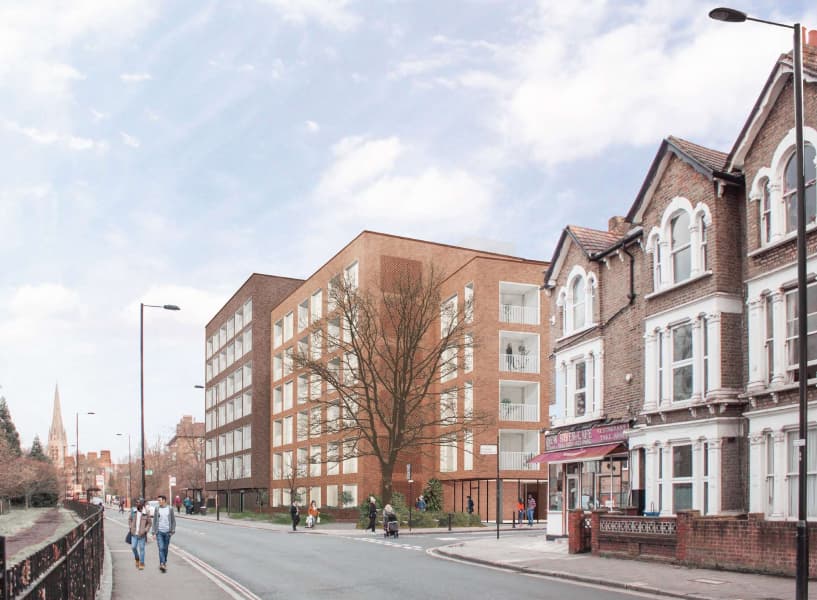
Taverner House (Kennaway Estate), Hackney: render of a five-storey buff-brick block with red-brick top floors and recessed balconies, set on a tree-lined street alongside Victorian terraces and a corner café, Southern Housing regeneration scheme
London
London Borough of Hackney · Southern Housing Group

Taverner House (Kennaway Estate)

61Homes£20mContract value

Mixed-tenure regeneration block on the Kennaway Estate in Hackney for Southern Housing Group. Above the HRB threshold by storey count; the tenure mix means the Principal Accountable Person at occupation will be the registered provider rather than the building owner.

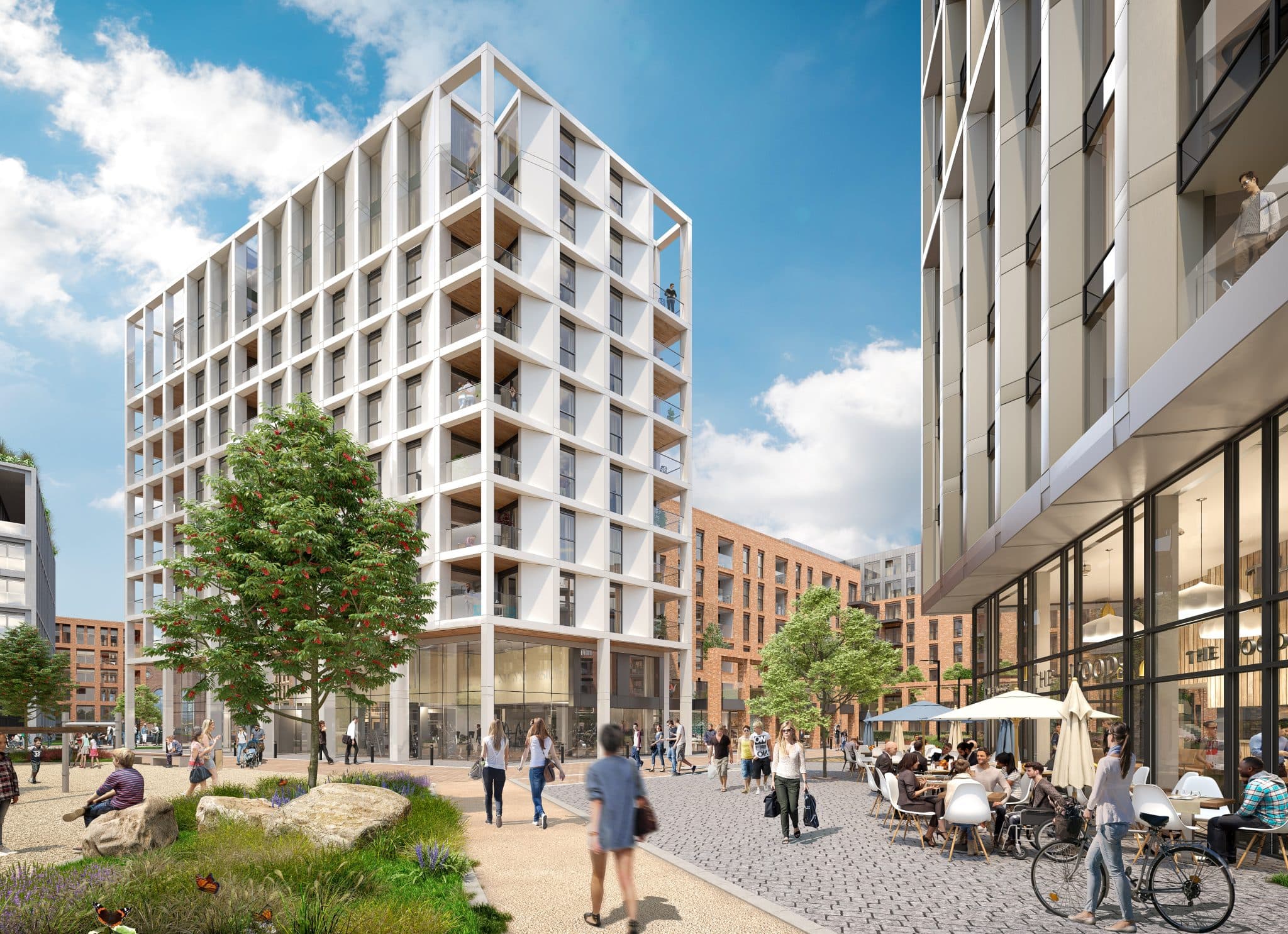
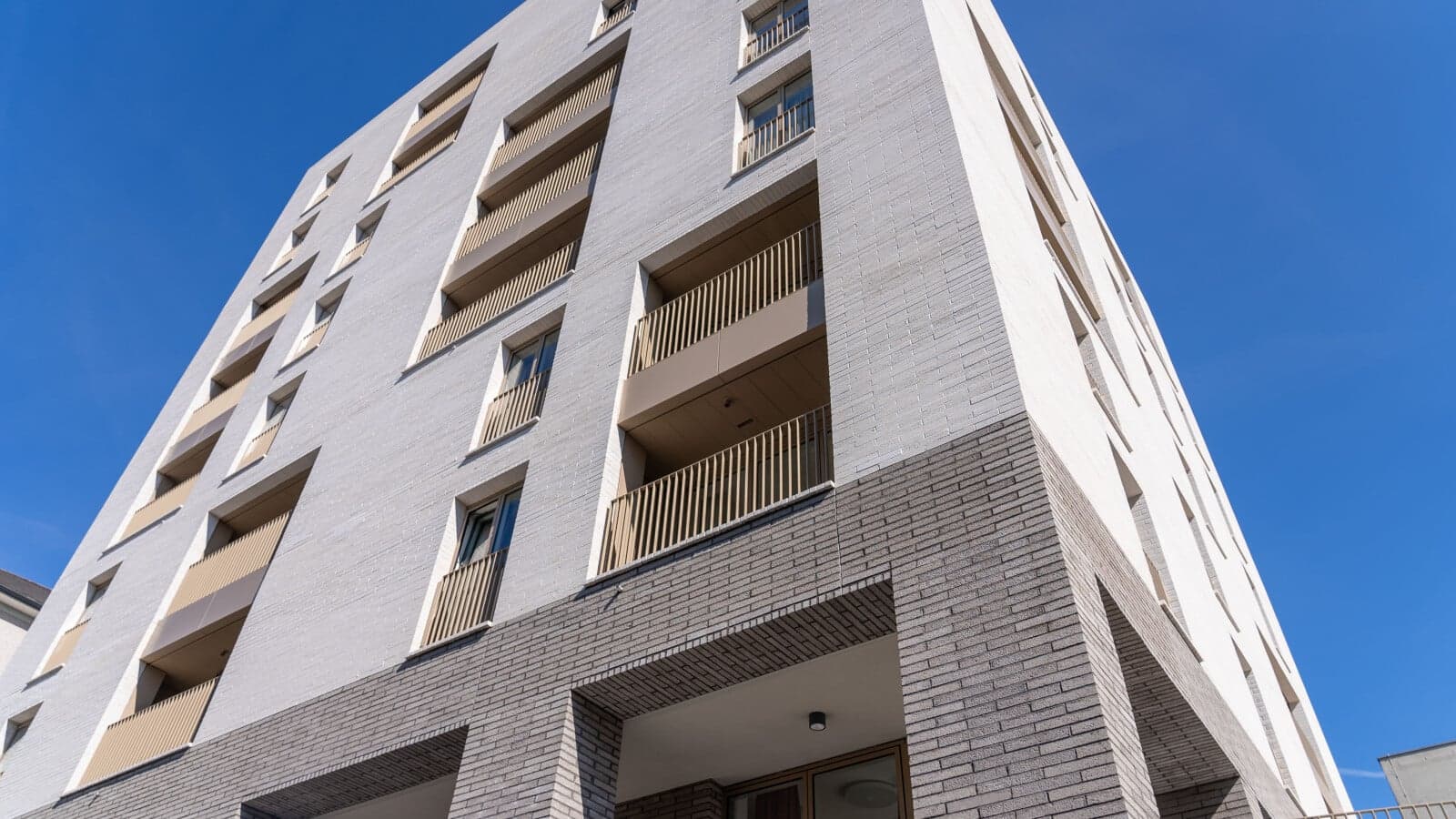
Points Cross Phase 1, Leeds (Blocks A & B): render of contemporary mid-rise with white concrete frame and recessed timber-clad balconies, public plaza below with planted beds and café terrace, Guinness Partnership scheme
Yorkshire
Leeds · The Guinness Partnership

Points Cross Phase 1 (Blocks A and B)

311Homes£58mContract value

Phase 1 of the Points Cross Leeds regeneration, two mid-rise blocks delivering 311 affordable homes for The Guinness Partnership. HRB by storey count; same dutyholder cadence and BSR Gateway track applies as on the adjacent Block C delivery.

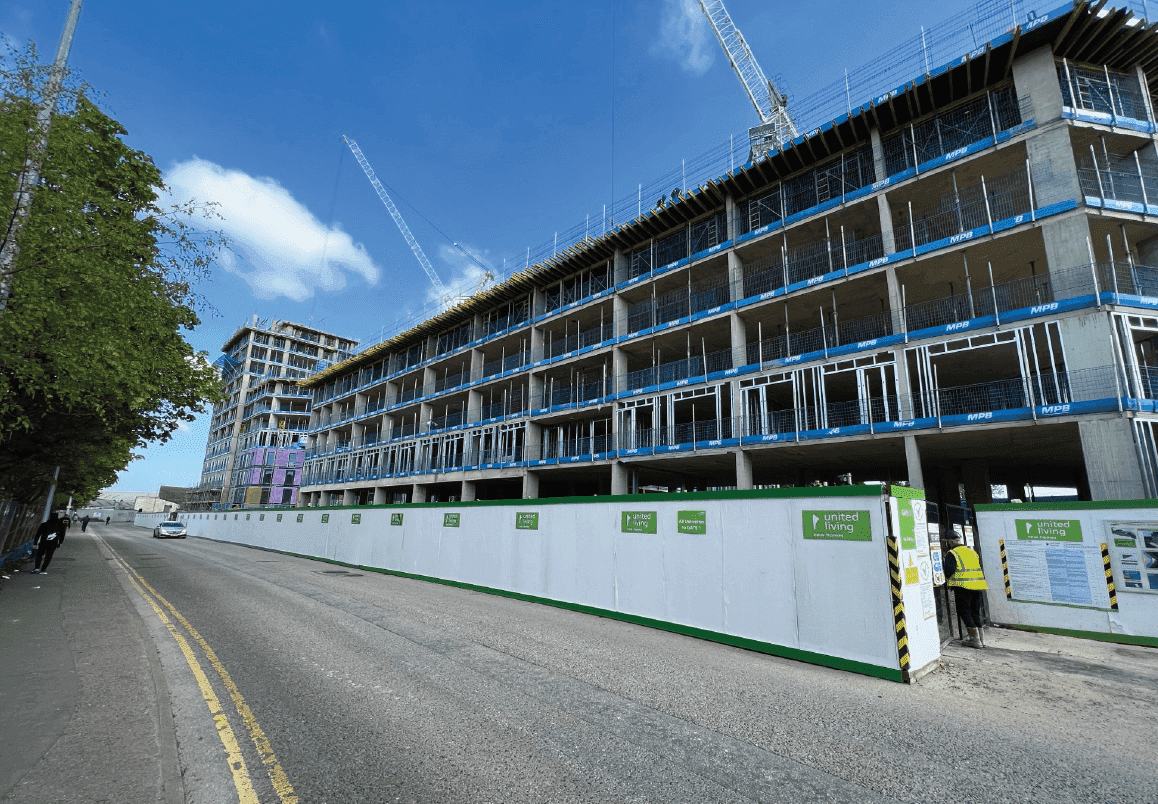
Points Cross, Leeds, 311+ affordable homes for The Guinness Partnership
Yorkshire
Leeds · The Guinness Partnership

Points Cross Block C

185Homes£47mContract value

Block C of the Points Cross Leeds regeneration, 185 mid-rise apartments for The Guinness Partnership. HRB by storey count, with the BSR's pre-construction approval already in place.

Talk to us

Bringing an HRB to market.

Whether the scheme is in feasibility or already in preconstruction, the earlier the dutyholder regime is built into the programme the cheaper it is to deliver well. The BREE team is happy to take an early call and share what the Gateway-2 process is actually looking like in 2026.